

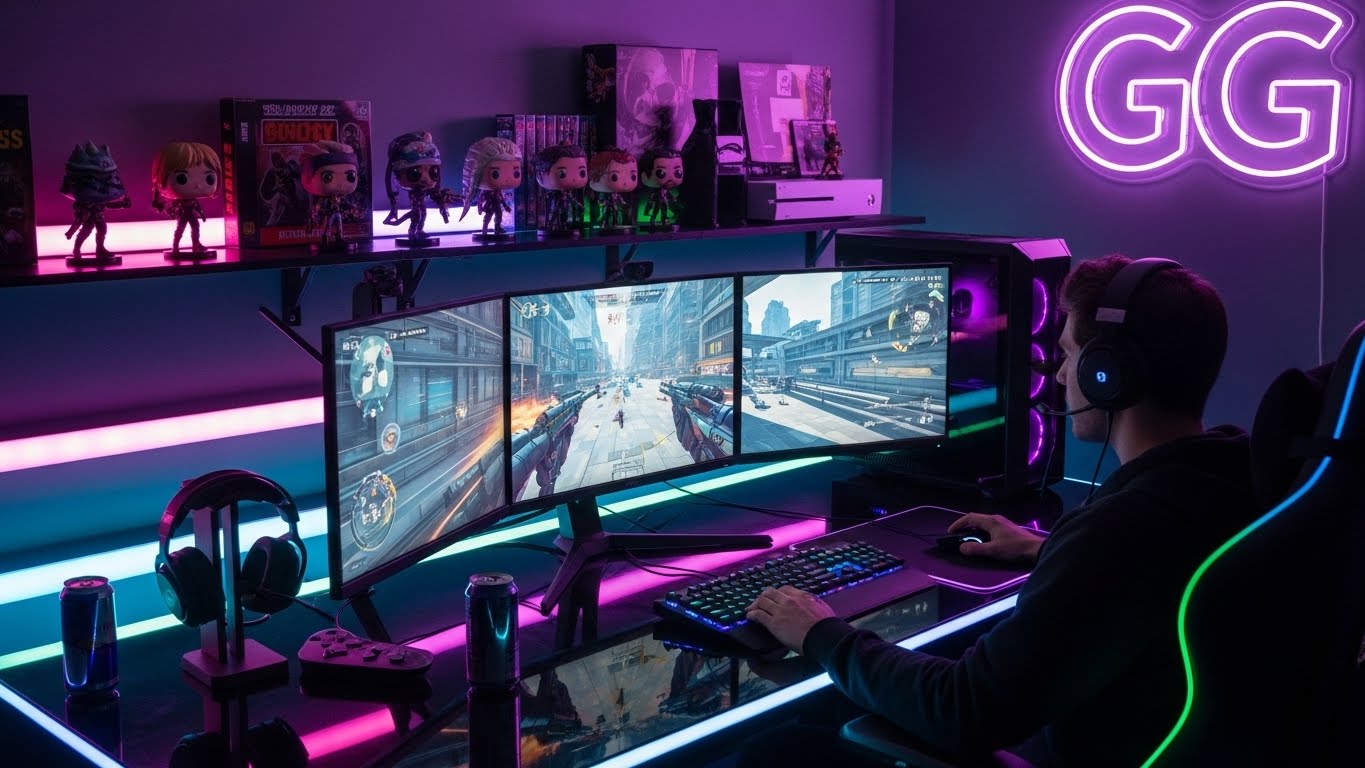
What was once a casual pastime for many has now become a full-fledged lifestyle. Slot has evolved far beyond the confines of entertainment, shaping how people socialize, express themselves, and even make a living. Today, gaming is not just something people do in their free time—it’s an integral part of their daily lives. The shift from gaming as mere entertainment to a lifestyle has had profound effects on the way we interact with digital content, the gaming industry, and each other. Let’s explore how gaming has undergone this transformation and what it means for the future.
The Rise of Gaming Communities
One of the most significant changes in gaming culture is the rise of online gaming communities. In the past, gaming was often a solitary activity, with players enjoying their favorite titles on consoles or PCs, usually in isolation. However, with the rise of the internet and multiplayer games, gaming communities began to form online. Today, games like World of Warcraft, Fortnite, and League of Legends offer environments where millions of players can interact, collaborate, and compete with others around the globe.
Socializing Through Gaming
In the past decade, online multiplayer games have shifted the social landscape of gaming. They are no longer just a way to pass the time but a way to build lasting friendships, network, and engage in community events. Gamers often spend hours socializing in virtual spaces, participating in guilds, teams, or fan groups, and attending live-streamed events like esports tournaments.
Platforms like Discord, Twitch, and YouTube Gaming have further cemented the idea of gaming as a social experience. Streamers and viewers alike interact in real-time, creating a sense of belonging and engagement. This interconnectedness has shifted gaming from a solitary activity to a key social hub, where players from all walks of life can connect over shared interests and experiences.
Expanding Beyond Games
Gaming communities are no longer restricted to just in-game interaction. Many gamers engage with their communities through content creation, such as streaming, vlogging, and sharing gameplay highlights on social media platforms like Instagram or TikTok. This shift allows gaming to transcend the screen, turning gaming into a lifestyle rather than just a hobby.
Professionalization of Gaming
The rise of esports has been a defining factor in the transformation of gaming into a lifestyle. Once a niche subculture, esports now boasts millions of viewers worldwide, with professional players earning salaries, sponsorships, and global recognition. Games like Dota 2, Fortnite, and Valorant have become professional sports in their own right, with tournaments offering multi-million dollar prize pools.
Career Paths in Gaming
For many, gaming is no longer just a pastime—it’s a viable career option. Professional gamers, streamers, content creators, and even esports coaches are now able to make a living off their passion for gaming. With the rise of platforms like Twitch, YouTube, and Facebook Gaming, individuals can build careers around streaming gameplay, creating content, and engaging with their audiences.
This shift has opened up new opportunities for people to turn their gaming skills into income-generating activities. Brands and sponsors are investing in the gaming space, realizing that gamers represent a unique and highly engaged demographic. This has created an ecosystem where gaming is no longer just an escape but also a legitimate and financially rewarding career choice.
Game Development and Innovation
The growing popularity of gaming as a lifestyle has also led to significant changes in the gaming industry itself. Game developers are now designing titles with longevity in mind, focusing on creating experiences that players can invest in long-term. Games like Minecraft, The Sims, and Grand Theft Auto V have built massive communities around them, with continuous updates, downloadable content (DLC), and active player-driven content creation.
The demand for multiplayer games, custom content, and ongoing development has pushed the gaming industry to innovate faster than ever before. Virtual reality (VR) and augmented reality (AR) technologies are becoming more integrated into gaming experiences, allowing players to fully immerse themselves in virtual worlds. As gaming becomes more complex and interactive, players’ emotional and psychological connections to games and characters become deeper, further solidifying gaming’s place in their lifestyles.
Gaming as a Form of Expression
As bandot88 has evolved into a lifestyle, it has also become a form of self-expression. Gamers are now able to personalize their in-game avatars, build custom worlds, and share their experiences with others, creating an environment where creativity can flourish.
Customization and Identity
In many games, players can customize every aspect of their character, from their clothing and weapons to their personality traits and abilities. This level of personalization allows players to create avatars that reflect their real-world selves or experiment with new identities in a digital space.
Furthermore, gaming platforms allow users to showcase their personalities through streaming, fan art, and social media engagement. This form of self-expression provides an outlet for creativity and lets gamers share their unique perspectives with a wider audience.
Digital Fashion and Virtual Goods
Virtual items, such as skins, avatars, and outfits, have become a significant part of gaming culture. Many games, like Fortnite and Apex Legends, allow players to buy or earn cosmetic items that reflect their personal style. This digital fashion industry has grown rapidly, with players collecting rare items, customizing their characters, and showing off their unique identities in-game.
The introduction of blockchain technology and non-fungible tokens (NFTs) has also impacted the gaming space, enabling true ownership of digital assets. Players can now buy, sell, and trade virtual items, making gaming a dynamic and profitable avenue for self-expression and creativity.
Gaming and Mental Health
Another critical shift in gaming culture is the growing recognition of its potential benefits for mental health. As gaming has become more ingrained in people’s daily lives, it’s also being seen as a way to relax, unwind, and manage stress.
Stress Relief and Escape
Online games often provide an immersive escape from the pressures of daily life, offering a mental break for players. Whether it’s a relaxing game like Stardew Valley or a more action-packed experience like Overwatch, gaming provides an outlet for relaxation and fun. It allows players to engage their minds in a positive way, offering a temporary reprieve from stress and anxiety.
Building Social Connections
For many individuals, especially those who are isolated or introverted, online gaming communities provide a vital space to connect with others. Players form friendships, share experiences, and even provide emotional support to one another. These interactions can significantly reduce feelings of loneliness and foster a sense of belonging, particularly for those who might struggle to make connections in their offline lives.
Cognitive and Emotional Benefits
Studies have shown that gaming can also improve cognitive function, including problem-solving skills, memory, and multitasking. Games that require strategic thinking, quick decision-making, and collaboration help players develop skills that are transferable to other areas of life. For individuals dealing with mental health issues like depression or anxiety, gaming can provide a constructive and enjoyable way to improve focus and emotional regulation.
Gaming Culture’s Future Impact
As gaming continues to evolve from a hobby to a lifestyle, its influence will expand into other areas of our lives. Virtual worlds, social media platforms, and esports are just the beginning of how gaming will shape our daily experiences. The ability to work, socialize, and entertain oneself in digital spaces will continue to redefine the way we interact with technology and each other.
Integration with Work and Education
The future will likely see more integration between gaming, education, and professional environments. Gamified learning, virtual classrooms, and digital collaboration tools are already gaining traction in education and remote workspaces. With the rise of virtual reality (VR) and augmented reality (AR), it’s possible that gaming-like experiences will be used in professional training and simulations, offering immersive and interactive learning opportunities.
Esports as Mainstream Entertainment
Esports will continue to grow as a form of mainstream entertainment, with larger audiences, higher stakes, and more professional recognition. Streaming platforms like Twitch, along with traditional broadcasters, will help elevate esports to new heights, attracting even more viewers and players. The gaming industry’s economic impact will be felt not only by developers but by media, brands, and advertisers, who will increasingly turn to gaming communities to reach younger, tech-savvy audiences.
Conclusion: A New Era of Gaming
The shift from gaming as entertainment to a full-fledged lifestyle is more than just a passing trend. As gaming becomes an integral part of people’s daily routines, its influence continues to grow in ways that impact not only entertainment but also social connections, mental health, work, and education. From the rise of gaming communities and esports to the ways games are shaping identity and self-expression, gaming is evolving into a powerful cultural force.
As technology advances and virtual worlds become more immersive, the future of gaming promises even more opportunities for personal expression, social connection, and professional development. The lines between gaming and everyday life will continue to blur, and gaming will play an ever-increasing role in shaping how we live, work, and connect with each other. The lifestyle of gaming has only just begun—its full potential is still unfolding.
