

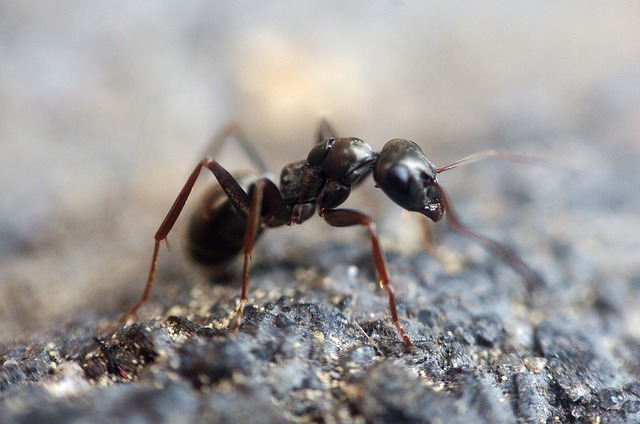
Ants are among the most persistent household invaders, often appearing seemingly out of nowhere and causing frustration for homeowners. While it is common to associate ant infestations with exposed food or sugary spills, many people are surprised to find ants inside their homes even when there is no visible food source. This puzzling behavior can be attributed to a variety of factors, including the ants’ natural instincts, environmental conditions, and the unique ways in which homes provide shelter and resources. Understanding why ants invade under these circumstances is essential for effective prevention and management.
What drives ants to enter homes?
Ants’ relentless search for resources
Ants are highly adaptive creatures with a remarkable ability to locate resources necessary for their survival. Even when there is no obvious food left out in the open, ants can detect minute traces of nutrients that are invisible to the human eye. Their sense of smell is incredibly acute, allowing them to pick up on microscopic crumbs, grease residues, or even the scent trails left by other ants. In addition to food, ants are also attracted to water sources, which are often more abundant indoors than outside, especially during dry periods. Leaky pipes, condensation on windows, or even damp towels can provide enough moisture to draw ants inside. The search for shelter is another powerful motivator, as homes offer protection from predators and harsh weather conditions. Cracks in foundations, gaps around windows, and other small entry points can serve as gateways for ants seeking refuge. These factors combined make homes an attractive target, even when food is not readily apparent.
Hidden attractants inside homes
Many homeowners are unaware of the hidden attractants that can lure ants indoors. While visible food is an obvious culprit, there are numerous less noticeable sources that can sustain an ant colony. Pet food bowls, for example, often have small particles left behind that are easily overlooked. Trash cans, recycling bins, and compost containers can emit odors that attract ants, even if they are kept relatively clean. Additionally, certain building materials, such as wood or insulation, can harbor mold or fungus, which some ant species feed on. The presence of other insects, such as termites or cockroaches, can also draw ants, as they may prey on these pests or scavenge their remains. For those seeking effective solutions, ant control Overland Control services can address these hidden attractants and help prevent future infestations. By identifying and eliminating these less obvious sources, homeowners can reduce the likelihood of ants invading their living spaces.
Ants’ seasonal behavior and environmental triggers
Ant activity inside homes often fluctuates with the seasons and changing weather conditions. During periods of heavy rain, drought, or extreme temperatures, ants may seek shelter indoors to escape unfavorable outdoor environments. In the spring and summer, when ant colonies are most active, the search for new nesting sites and resources intensifies. This can lead to increased indoor invasions, even in the absence of visible food. Homes provide a stable environment with consistent temperatures and humidity levels, making them ideal refuges during times of environmental stress. Additionally, construction or landscaping work near the home can disturb ant nests, prompting colonies to relocate indoors. Understanding these seasonal and environmental triggers can help homeowners anticipate and prevent ant invasions before they become a significant problem. Regular maintenance, such as sealing entry points and addressing moisture issues, can make homes less attractive to ants during these vulnerable periods.
How ants communicate and find new territories
Ants rely on sophisticated communication methods to explore and exploit new environments. When a scout ant discovers a potential resource or entry point, it leaves behind a pheromone trail that guides other members of the colony to the location. This chemical signaling system allows ants to quickly mobilize and take advantage of opportunities, even if the initial attractant is minimal or hidden. Over time, these trails can become well-established pathways that lead directly into homes. Ants are also capable of learning and adapting their foraging strategies based on previous experiences. If a particular area consistently yields resources, ants will return and recruit more workers to exploit it. This persistence can make it challenging to eliminate ant infestations once they have established a foothold indoors. Disrupting these communication networks is a key component of effective ant management, as it prevents the colony from coordinating its efforts and reduces the likelihood of repeated invasions.
The role of moisture in ant invasions
Moisture is a critical factor that often goes unnoticed when considering why ants invade homes. Many ant species are highly sensitive to changes in humidity and will actively seek out damp environments to nest and forage. Bathrooms, kitchens, basements, and laundry rooms are common hotspots due to the presence of water sources and high humidity levels. Even small leaks or condensation can create ideal conditions for ants to thrive. In some cases, ants may be drawn to homes during dry spells when outdoor water sources are scarce. Addressing moisture issues, such as repairing leaks and improving ventilation, can significantly reduce the risk of ant infestations. By eliminating these water sources, homeowners can make their properties less appealing to ants and disrupt their ability to establish colonies indoors.
Ants and structural vulnerabilities
Homes with structural vulnerabilities are particularly susceptible to ant invasions. Cracks in foundations, gaps around doors and windows, and poorly sealed utility lines provide easy access points for ants. Once inside, ants can exploit wall voids, crawl spaces, and other hidden areas to establish nests. These concealed locations offer protection from predators and human intervention, allowing colonies to grow undetected. Over time, ants may expand their presence throughout the home, making eradication more difficult. Regular inspections and maintenance are essential for identifying and addressing these vulnerabilities. Sealing entry points, repairing damaged structures, and keeping the home clean can help prevent ants from gaining a foothold. By taking proactive measures, homeowners can protect their properties from persistent ant invasions and maintain a more comfortable living environment.
Quick facts about ant behavior
Ants are social insects that live in colonies ranging from a few dozen to millions of individuals. Their ability to work together and communicate through pheromones makes them highly efficient at finding resources and adapting to new environments. Some species can travel long distances in search of food and water, while others prefer to nest close to reliable sources. Ants are also known for their resilience and ability to survive in a wide range of conditions, which contributes to their success as household invaders.
Conclusion
Ants invade homes for a variety of reasons beyond the presence of visible food. Their keen senses, adaptability, and social organization enable them to exploit even the smallest resources, including hidden food particles, moisture, and shelter. Environmental factors such as weather changes and seasonal patterns can drive ants indoors, while structural vulnerabilities provide easy access and safe nesting sites. Understanding these underlying causes is crucial for effective prevention and management. By addressing hidden attractants, maintaining a clean and dry environment, and sealing potential entry points, homeowners can significantly reduce the risk of ant infestations. Taking these proactive steps not only helps keep ants at bay but also contributes to a healthier and more comfortable living space for everyone.
