

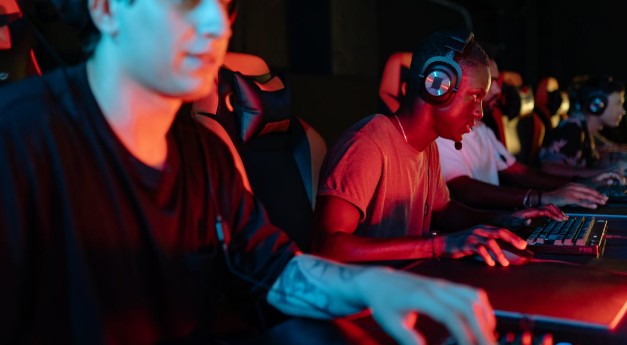
Have you noticed how much of your free time now revolves around screens and interactive entertainment? The way people spend their downtime has shifted dramatically over the past decade, and online gaming sits right at the center of this transformation. What once was a niche hobby confined to dedicated arcades or living rooms has become a mainstream activity that reshapes how millions of people relax, connect, and pass their hours.
The numbers tell a compelling story. Gaming has grown from a fringe activity into a cultural force that rivals traditional entertainment like movies and television. People of all ages, backgrounds, and skill levels now participate in gaming regularly, and this shift has profound implications for how modern society structures leisure time.
Understanding why online gaming has become so influential requires looking at the intersection of technology, social connection, and human psychology. The reasons are more complex and interesting than most people realize.
The Accessibility Factor Changed Everything
One of the biggest reasons online gaming transformed free time is simple accessibility. You no longer need expensive hardware or a trip to an arcade to play games.
Mobile Gaming Removed Barriers
Smartphones put gaming directly into people’s pockets. Whether you’re waiting for a bus, sitting in a coffee shop, or relaxing at home, games are instantly available. This convenience means gaming fits into moments of downtime that previously would have gone unused. The barrier to entry dropped so low that casual players could join without any special knowledge or equipment.
Variety Meets Low Cost
The pricing models changed too. Free-to-play options mean anyone can start playing without financial commitment. This democratization opened gaming to people who might never have considered it before. You could try something like hoki22 or countless other titles without spending a dime upfront, making exploration and experimentation natural parts of the experience.
Social Connection Became The Real Draw
Gaming stopped being a solitary activity and transformed into a social platform where real relationships form and thrive.
Playing Together Across Distance
Online gaming lets you play with friends across the globe in real time. You can coordinate with teammates, chat during gameplay, and maintain friendships that geography would otherwise make difficult. This social dimension adds layers of meaning to gaming that go far beyond the mechanics of any individual game.
Communities Form Around Shared Interests
Games create communities where people with similar interests gather, share strategies, celebrate victories, and support each other through challenges. These communities become places where people belong, where they’re recognized and valued. For many, these connections feel as real and important as offline friendships.
The Psychological Appeal Is Stronger Than You Think
Games tap into fundamental human needs in ways that traditional entertainment cannot match.
Achievement And Progress Feel Tangible
Games provide clear goals and immediate feedback. You see your progress, earn rewards, and unlock new content. This sense of advancement satisfies a basic human drive to accomplish things and improve. Unlike passive entertainment, gaming makes you feel like you’re doing something, even if that something is virtual.
Escapism With Agency
Games offer escapism, but with a crucial difference from movies or television. You’re not just watching a story unfold; you’re actively shaping it through your choices and actions. This agency, this feeling of control and impact, makes gaming more immersive and satisfying than passive media consumption.
Technology Keeps Improving The Experience
Better graphics, faster internet, and smarter game design continuously improve what gaming can offer.
Immersion Reaches New Levels
Modern games create rich, detailed worlds that feel genuinely alive. Characters react to your choices, environments change based on your actions, and narratives adapt to your decisions. This level of immersion makes gaming feel less like entertainment and more like stepping into an alternate reality where your actions matter.
Cross Platform Play Removes Friction
You can start a game on your phone, continue it on your tablet, and finish on your computer. This seamless experience means gaming fits into your life wherever you are, without forcing you to choose between devices or platforms. Games like mahjong ways 2 demonstrate how traditional gameplay can adapt to modern digital environments.
The Competitive Element Drives Engagement
For many people, competition adds excitement and purpose to their gaming time.
Ranked Systems And Leaderboards
Competitive games let you measure yourself against others. Climbing ranks, improving your rating, and competing against skilled opponents provides clear metrics for progress. This competitive structure keeps people engaged because there’s always another level to reach, another opponent to challenge.
Tournaments And Professional Gaming
Gaming now has professional leagues, sponsorships, and massive prize pools. Watching professional players compete at the highest levels inspires casual players and legitimizes gaming as a serious pursuit. The existence of professional gaming creates aspirational pathways that keep people motivated.
Time Spent Gaming Reflects Broader Lifestyle Changes
The rise of online gaming coincides with shifts in how people view work, rest, and entertainment.
As work becomes more demanding and stressful, people seek outlets that provide genuine relaxation and mental stimulation. Gaming delivers both simultaneously. You can decompress while your mind stays engaged, which appeals to people juggling complex modern lives. Gaming offers a form of active rest that feels more satisfying than passive scrolling through social media.
The transformation of free time around online gaming reflects genuine changes in technology, social structures, and human psychology. Games now occupy a central place in modern leisure because they solve real problems, fulfill genuine needs, and create meaningful experiences. Whether this trend will continue evolving in new directions remains to be seen, but for now, online gaming has fundamentally altered how millions of people spend their free time.
