

An Industry Driven By Policy, Not Market Sentiment
The Indian stock market only has a few businesses with clear and consistent rules. Defence and aircraft are two of them. Most industries mostly respond to pressure from competitors, customer desire, or the price of commodities. Government policy, financial allotments, buying options, orders for indigenisation, and general global situations are the major factors that affect army stocks. These stocks often move independently of the overall market due to this basic difference, which also explains why so many generalist investors routinely misunderstand their performance. A clear example of this pattern may be found by watching the BEL share price over the previous five years. In order to meet the particular technological needs of the Indian military forces, Bharat Electronics Limited was formed in 1954.
Today, military income still makes for over 90% of the company’s total sales. Every important area of military technology, such as radars, fire control systems, missile guidance, secure communications, and electronic warfare packages, is covered by its product line. Every major announcement regarding increases in the defence capital budget, new program approvals, or export orders moves the stock immediately, and often sustainably. In order to broaden its income stream and lessen instability at times when army buying slows down, BEL has also actively moved into non-defense industries like cyber security, train signals, and national e-governance solutions. Another reason for the company’s steady success over market cycles is that it is still totally debt-free.
Indigenisation Policy As The Primary Growth Driver
The single biggest shift in the sector over the last decade has been the formal government mandate to reduce defence imports by 60 percent by the end of the decade. This single policy has reshaped the entire industry, and created a multi year growth runway for established incumbents. Unlike most other forms of government spending, defence procurement contracts are typically awarded for five to ten year periods. This means investors have an unusually high degree of visibility into future revenue, a characteristic that has made the sector increasingly popular with large institutional investors. Of course the same dynamic works in reverse. Delays in program approvals, unexpected budget cuts, or shifts in procurement priorities can weigh on stock performance for extended periods until full clarity is restored.
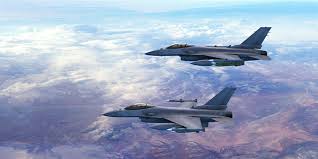
This effect is even more pronounced in the aerospace segment. The HAL share price performance has been directly tied to production ramp ups of specific aircraft programs over the last several years. Hindustan Aeronautics Limited remains the only domestic company capable of designing, manufacturing, and supporting full military aircraft and helicopter platforms. Programs including the LCA Tejas Mk1A, Light Combat Helicopter, and Light Utility Helicopter have provided the company with a firm order book extending more than seven years into the future. Management has already installed completely new dedicated assembly lines to meet this committed demand.
Ongoing Risks and Headwinds
Material hurdles face even the most powerful leaders. Due to their continued reliance on foreign makers for some important parts, both businesses are subject to delays in the global supply chain. New private sector players, many of which have teamed with top foreign defence companies, are also offering a growing danger to them. Over time, this new competition is expected to gradually lower profits, pushing leaders to boost R&D spending in order to keep market control. For investors, the biggest mistake remains treating these stocks like generic manufacturing companies. Those who take the time to understand underlying policy drivers and program timelines consistently make far better informed decisions.
